What does a house wash include?
A house wash cleans the outside of the home, including external walls, eaves, fascias and gutter faces, using a low-pressure soft wash. Ours covers treating mould and cobwebs, protecting plants, lights and power points, rinsing external windows and frames, and before-and-after photos of each side of the house. A detailed window clean can be added.
Why should I get the outside of my house washed?
Washing removes the mould, algae, cobwebs and grime that build up on walls and eaves, especially on shaded and south-facing sides. Mould and dirt make paintwork look tired well before it actually needs redoing, and a clean exterior photographs better for a sale or lease. It is also a necessary first step before repainting.
How often should you wash the outside of your house?
There is no set rule; most homes are washed when mould, grime or cobwebs become visible, or before a sale, lease or repaint. Homes in shaded or damp spots, near busy roads or close to the coast tend to need it more often. Booking it on the same visit as roof and gutter cleaning keeps each job clean in the right order.
How does soft washing a house work?
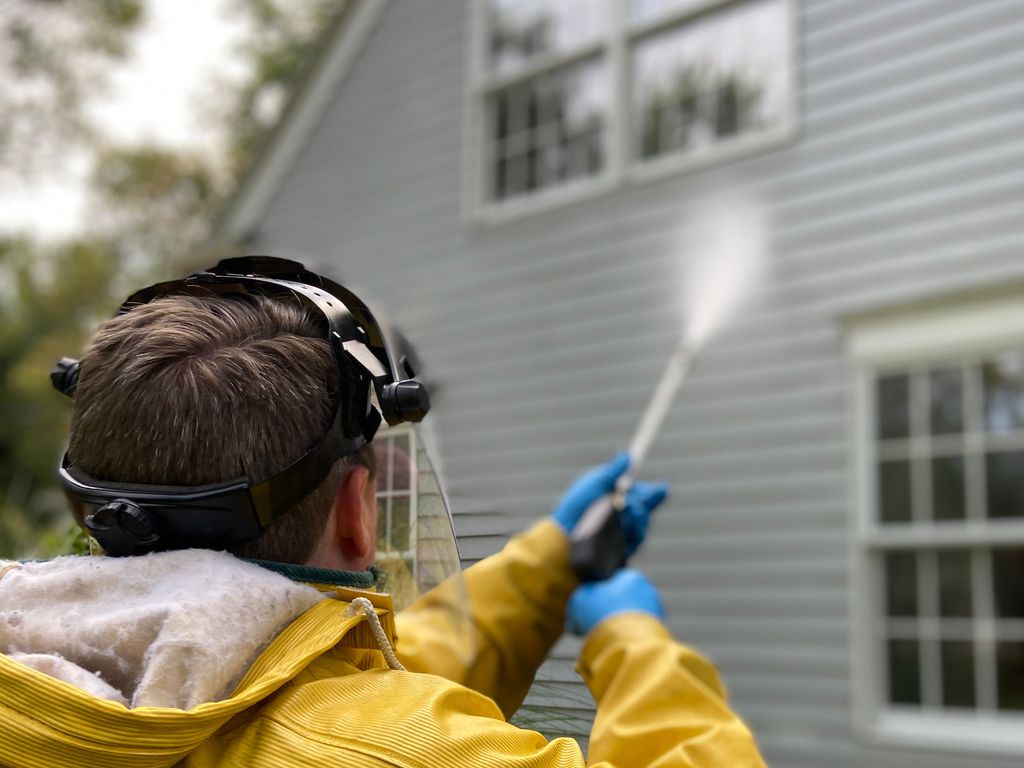
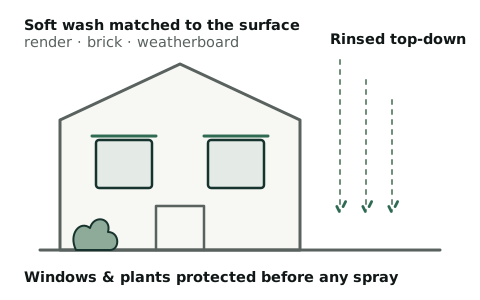
Soft washing applies a cleaner matched to the wall surface at low pressure, lets it break down mould and grime, then rinses from the top down. Nothing is blasted, so paint, render and cladding are not stripped and water is not driven into gaps. Before spraying, we check windows are closed, wet down garden beds and keep power points and lights out of direct spray.
How much does house washing cost in Sydney?
Most house washes fall within $490–$690 (single storey home), with prices starting from $490 including GST. Storeys and wall area are the main factors, along with access, the wall surface and how much mould has built up. The exact fixed price is confirmed in writing before we start.
How long does a house wash take?
A house wash is usually completed in a single visit, and the time is confirmed with your quote. Wall area, storeys, access around the home, the amount of mould and whether roof, gutter or path cleaning is booked the same day all affect it. When services are combined, we work from the roof down so nothing already washed gets dirty again.
Should I pressure wash my house myself or hire a professional?
For painted, rendered or clad walls, a professional soft wash is the safer choice, because a pressure washer used close up can strip paint, damage render and force water behind weatherboards. Two-storey walls also mean ladder work, which adds a fall risk. If you do it yourself, keep the pressure low, work from the top down and keep water away from power points and lights.
Does house washing include the windows?
External glass and frames are rinsed at the end of the wash so wall runoff does not dry on them. That rinse is not the same as a detailed window clean with squeegees and screens, which you can add to your booking. Window seals and fly screens are only ever rinsed at low pressure.
Is soft washing safe for render and weatherboard?
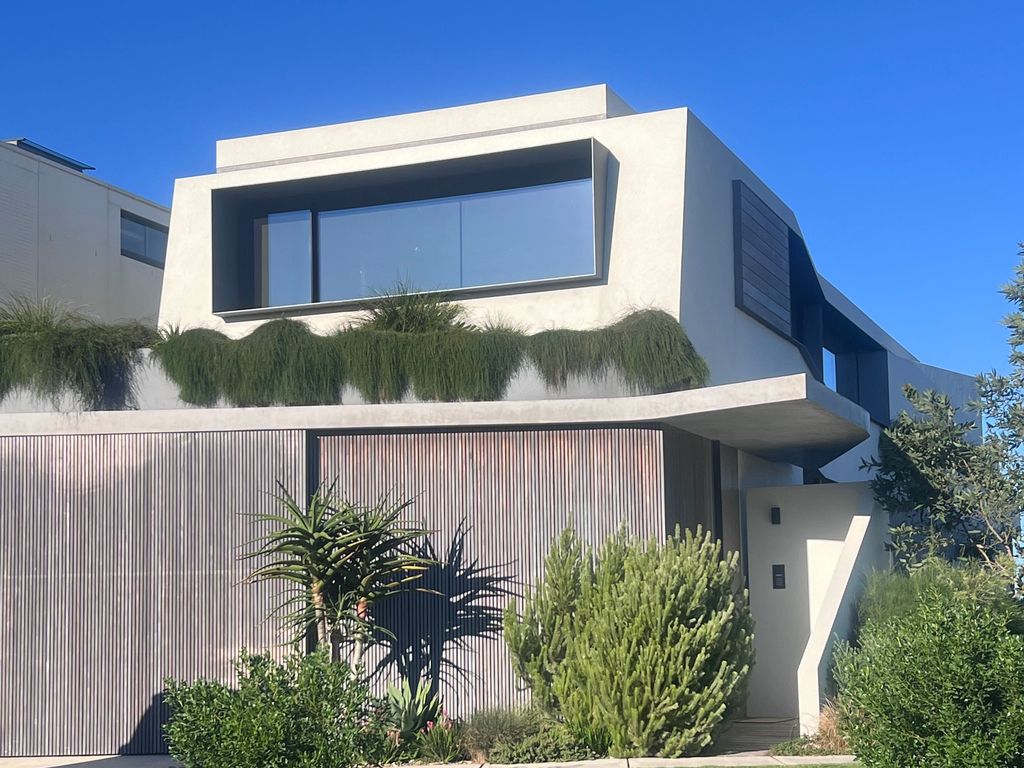
Yes, soft washing suits delicate surfaces like render, paint and weatherboard because it uses low pressure and relies on the cleaner rather than force. On weatherboard we rinse with the direction of the boards so water runs off the laps, and on render we photograph hairline cracks first so water is not aimed into them. Older fibro that may contain asbestos is never pressure cleaned.
Can pressure washing damage the outside of a house?
Yes, high pressure can strip paint, erode render, crack or loosen cladding, and drive water behind weatherboards and past window seals. It can also disturb older fibro sheeting, which may contain asbestos. That is why house walls should be soft washed rather than pressure cleaned.
How do I stop mould coming back on my house walls?
Mould returns fastest where walls stay shaded and damp, so letting in more sun and air helps: trim shrubs and trees back from the walls. Keep gutters clear so overflow does not run down the walls, and fix leaking taps or downpipes that keep wetting the same patch. Shaded, south-facing sides are usually the first to need another wash.