Roof soft washing vs pressure cleaning
There are two main ways to clean a roof: low-pressure soft washing with a cleaning solution, and high-pressure water. Each has trade-offs. Here is an honest comparison for Sydney roofs.
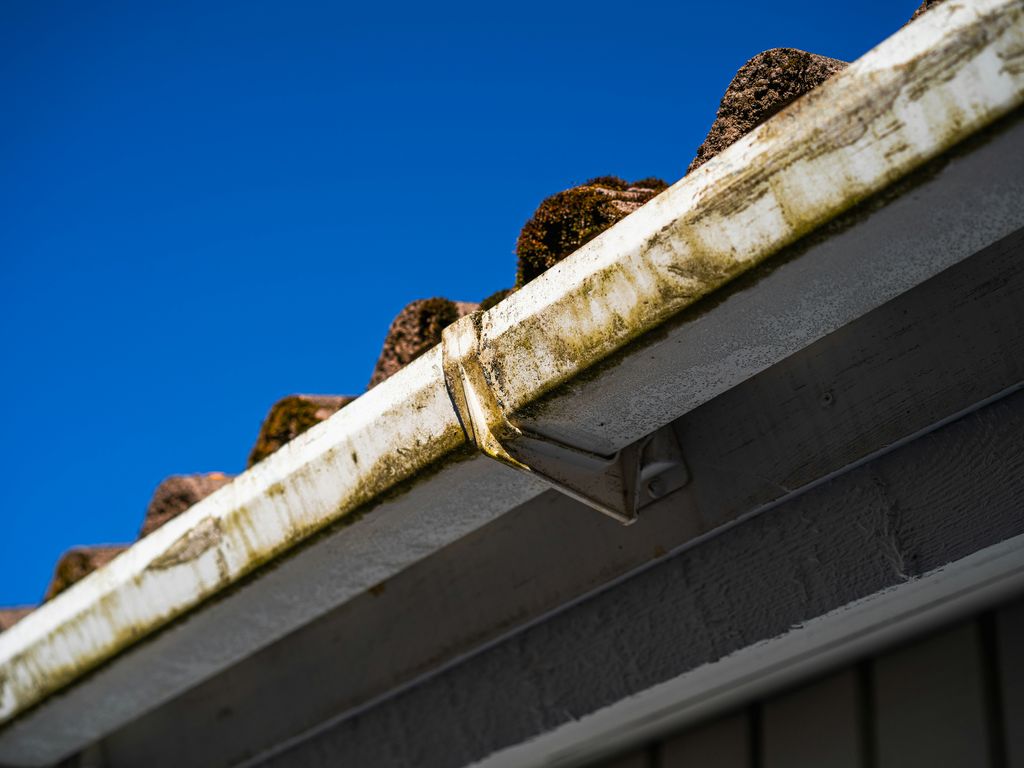
Black streaks, green moss and grey-white lichen make a roof look tired. They also hold moisture against the surface. There are two main ways to remove them: soft washing and high-pressure cleaning.
Sydney roof cleaners are split. Some only soft wash, some mainly pressure clean, and a growing number offer both and choose based on the roof. This guide explains how each method works, where each one fits, and the downsides that are rarely mentioned.
How the two methods work
Soft washing
A cleaning solution is sprayed onto the roof at low pressure. It usually contains sodium hypochlorite (the active ingredient in bleach) plus a surfactant to help it spread and stick. The solution kills moss, lichen, algae and mould.
Some staining lifts straight away. Dead lichen and moss then loosen and wash off with rain over the following weeks and months. Depending on the roof, the cleaner may also rinse at low pressure.
High-pressure cleaning
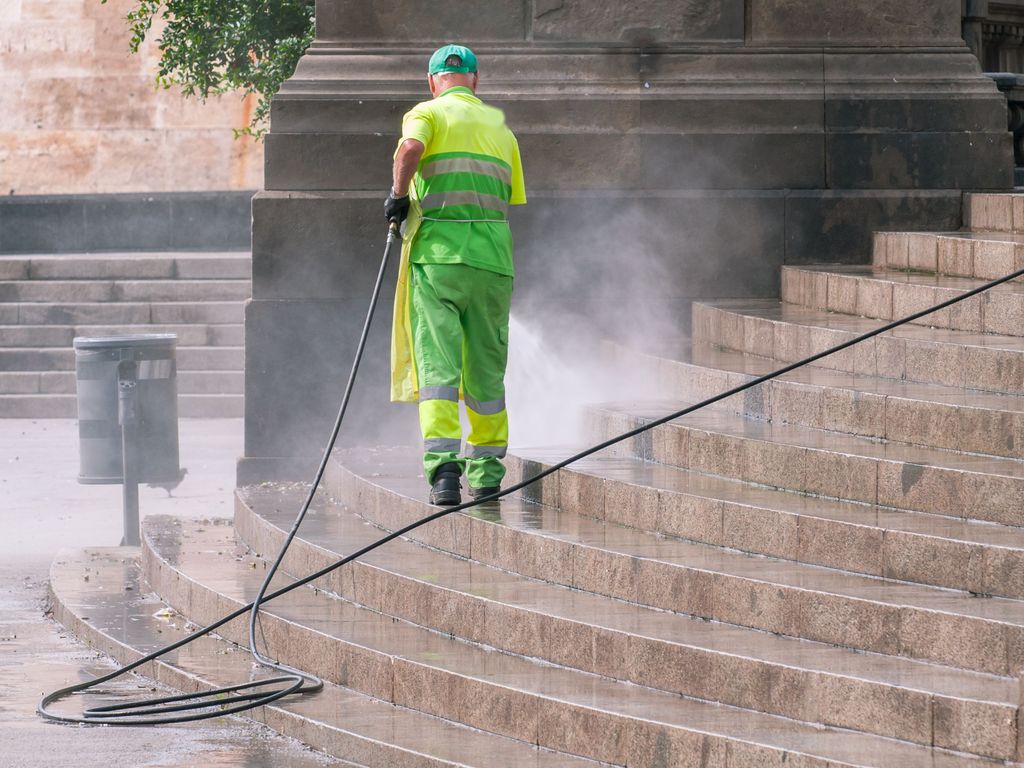
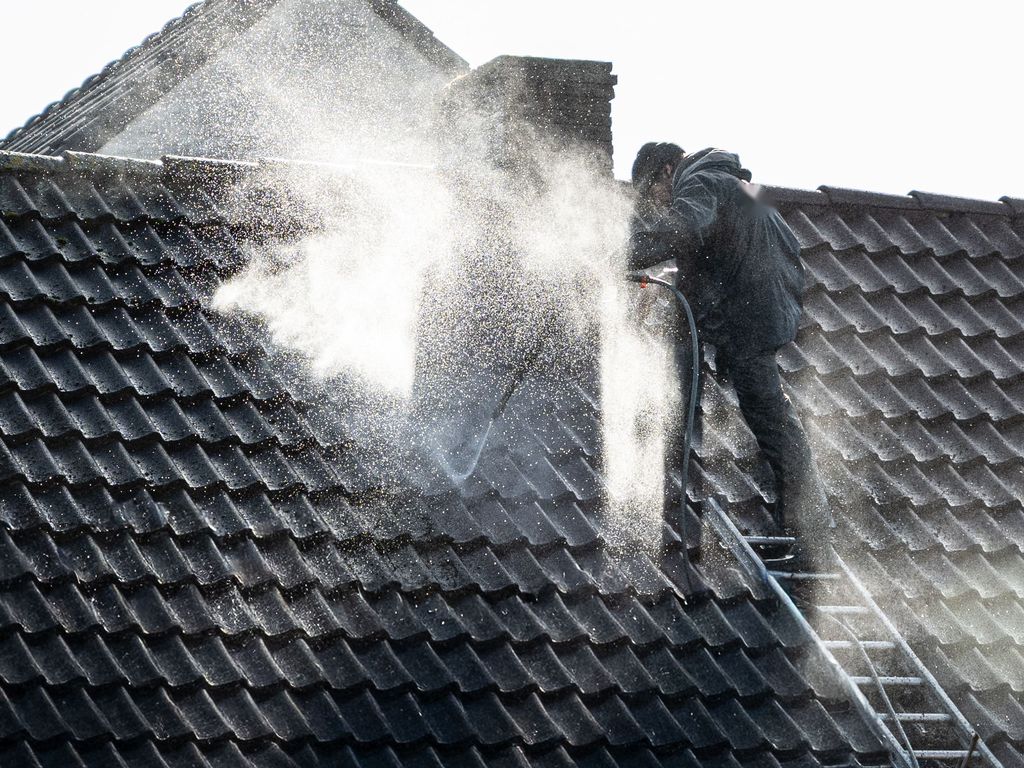
A pressure cleaner blasts the growth and dirt off with water. The result is immediate. Some operators apply a fungicide or anti-fungal treatment before or after to slow regrowth.
Equipment varies a lot. One Sydney roofer advertises equipment "rated to 4100 PSI", adjusted for the roof material.
Roof types: what to consider
| Roof | Things to know |
|---|---|
| Terracotta tiles | Older tiles can be brittle, and the bedding and pointing along the ridges can be damaged by high pressure. Soft washing is usually the gentler choice. |
| Concrete tiles | They are porous and hold lichen well. High pressure can wear away the surface coating and colour on older tiles, which is why pressure cleaning is often followed by a roof restoration and repaint. If you don't plan to repaint, soft washing avoids stripping the surface. |
| Colorbond and other metal roofs | Avoid abrasives. Ask how the method fits the manufacturer's care guidance (BlueScope publishes care information for Colorbond steel). High pressure aimed up under laps and flashings can push water where it shouldn't go. |
| Roofs with solar panels | Cleaning chemicals should be kept off the panels. JinkoSolar's manual, for example, says "Never use chemicals when cleaning modules". Panels should be cleaned separately with water and a soft brush. |
Whatever the roof, walking on it is itself a risk to tiles. A good cleaner keeps foot traffic to a minimum and tells you about any cracked tiles they find.
Chemistry, runoff and water tanks
Soft washing works because the solution kills living growth. The same solution can harm plants, lawns, fish ponds and waterways if it isn't controlled. One Sydney soft-wash company says it plainly: "there are no chemicals that are safe for the environment if used irresponsibly".
Before any chemical goes on your roof, ask how the cleaner will handle:
- Rainwater tanks. Downpipes to the tank should be disconnected or diverted before work starts. One Sydney operator advises that tank water "should not be used for a few weeks" after a soft wash.
- Gardens and lawns. Plants below the roof line should be pre-wet, covered or rinsed afterwards.
- Stormwater. Stormwater drains flow straight to creeks and the harbour. NSW pollution law (the Protection of the Environment Operations Act 1997) makes it an offence to pollute waters, so runoff needs to be managed.
- Pets and people. Keep pets inside and close windows during the work.
- Product details. Ask for the product name and its safety data sheet (SDS).
High-pressure cleaning uses more water and fewer chemicals, unless a treatment is added. But it creates slurry, which is a mix of water, grit and removed growth, and that also needs to be kept out of drains.
How long does a clean roof stay clean?
Be wary of confident promises. Claims in the Sydney market vary widely:
- One operator says its spray-and-wait treatment "gradually restores your roof over 3–5 months and protects it for up to 12 months".
- Another recommends a soft wash "every 5–10 years".
We haven't found independent testing that backs any particular number for Sydney roofs.
In practice, regrowth depends on shade, overhanging trees, which way the roof faces and how damp it stays. Shaded roofs that dry slowly tend to regrow sooner than roofs in full sun.
With soft washing, remember that the roof won't look perfect on day one. Dead lichen fades and falls away over time as it rains. If you need an instant result for a house sale next week, that affects which method makes sense.
The honest downsides
| Soft washing | High-pressure cleaning | |
|---|---|---|
| Speed of result | Gradual. Full result can take weeks or months. | Immediate |
| Risk to roof | Low physical risk | Can break brittle tiles, damage pointing, erode tile coatings and force water into the roof space |
| Chemicals | Yes. Needs careful runoff, tank and garden protection. | Fewer, unless a treatment is added |
| Other | A bleach smell for a while. One operator warns that already-rusted gutters may get worse. | Lots of slurry and overspray. Often leads to a restoration on concrete tiles. |
Which should you choose?
- Terracotta, older or fragile roofs: soft washing is usually the safer choice.
- Concrete tiles you plan to restore and repaint: pressure cleaning is often part of the restoration process.
- Concrete tiles you want to keep as they are: soft washing avoids stripping the surface.
- Metal roofs: use a gentle method that fits the manufacturer's care guidance.
- Homes with rainwater tanks, ponds or delicate gardens: either method can work, but runoff control is essential.
What does it cost?
- Airtasker's national roof cleaning cost guide (29 April 2025) gives $350 to $850, with a median of $450.
- Airtasker's Sydney roof cleaning page showed a median of $269, with a low of $228 and a high of $450 (checked September 2026). These are marketplace prices, often for smaller jobs.
For ExteriorCare's prices, see our current price guide.
Questions to ask any roof cleaner
- Which method will you use on my roof, and why?
- What product will you apply, and can I see the safety data sheet?
- How will you protect my water tank, garden, pets and stormwater drains?
- How will you keep chemicals off my solar panels?
- How long will the result take to show, and what happens if growth comes back early?
- How do you work safely on the roof, and can I see your insurance certificate?