Is pressure cleaning safe for concrete, pavers and sandstone?
Yes, if the method matches the surface. Plain concrete takes firm pressure, pavers need care at the joints, and sandstone needs low pressure and patience.
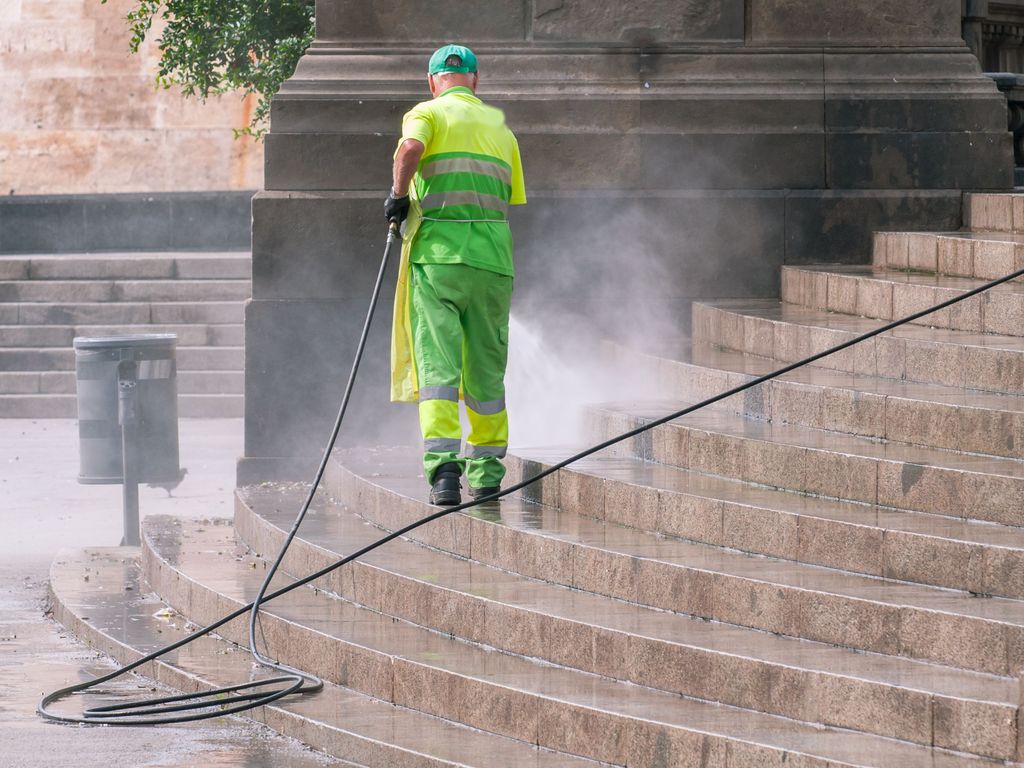
Yes, pressure cleaning can be safe for all three surfaces, but not with the same method. Plain concrete handles firm pressure well, especially with a rotary surface cleaner. Pavers need moderate pressure and some care around the joints. Sandstone is soft. Clean it at low pressure with a suitable cleaning solution, and never blast it up close. Most damage comes from treating every surface the same way.
This guide covers each surface in turn, explains why damage happens and lists the questions to ask before anyone starts. If you'd rather hand the job over, our pressure cleaning price guide shows how we price by area.
The short answer, surface by surface
- Plain concrete: firm pressure is usually fine. A rotary surface cleaner gives an even finish.
- Coloured, stencilled or sealed concrete: use lower pressure. A hard jet can dull or lift the coloured or sealed surface layer.
- Exposed aggregate: use moderate pressure and keep the jet moving. If it's too close or too hard, it can loosen surface stones.
- Concrete and clay pavers: use moderate pressure and keep the water away from the joints. Top up the joint sand afterwards if needed.
- Sandstone: use low pressure and a suitable cleaning solution. Test a hidden patch first.
- Render and painted walls: don't pressure clean them at all. Use a soft wash.
Why the same machine can clean one surface and damage another
The number on the machine is only part of the story. The nozzle, the distance between the tip and the surface, and how long the jet stays in one spot all change how hard the water hits. A narrow jet held a few centimetres away puts all its force on a tiny area. That's how people etch lines into driveways, blow the sand out of paver joints and leave furrows in sandstone.
Commercial equipment is powerful. One exterior cleaner in the Sydney market advertises "water pressure up to 5000 PSI" and says that is "best used on concrete surfaces". For painted surfaces and cladding, it uses a soft wash. That's the right way to think about it: high pressure is a tool for hard surfaces, not the default for everything.
On a well-run job, much of the work is done by the pre-treatment, not by force. Mould, algae and moss are treated first so they let go. Then less pressure is needed to rinse them away.
Concrete driveways and paths
Plain concrete is the most forgiving surface around most Sydney homes, and it usually takes firm pressure without harm. The common problem isn't damage but a patchy finish: the "zebra stripes" you get when a driveway is cleaned with a hand wand in sweeping passes.
A rotary surface cleaner holds the nozzles at a fixed height under a round hood, so the finish comes out even. Edges, steps and corners are then detailed by hand.
Watch for:
- Oil and rust marks. These need treating first. Turning up the pressure rarely shifts them and can etch the concrete around the stain.
- Coloured and sealed finishes. Many newer driveways have a coloured sealer or a stencilled coating. Ask whether yours is sealed before the job starts. If it is, the pressure should come down.
- Exposed aggregate. The stones are held in place only by the concrete around them, and a close, narrow jet can work them loose. Older surfaces are the most at risk.
- Cracks and broken edges. Water forced into cracks can undermine edges that are already loose.
Pavers
Most pavers clean up well at moderate pressure. The weak point is the joints. Paved areas usually rely on sand between the pavers to lock them in place and keep weeds down. A jet aimed into the joints blasts that sand out.
A careful paver clean looks like this:
- Treat mould and moss first, so less pressure is needed.
- Work at an angle that moves water across the pavers, not down into the joints.
- Rinse the debris away from garden beds and drains.
- Once the surface is dry, re-sand any joints that lost sand.
Clay pavers and natural stone pavers can be softer than concrete pavers, so give them the same caution as sandstone. Sealed pavers follow the same rule as sealed concrete: lower pressure, and don't expect a clean to restore a sealer that has already worn away.
Sandstone
Sandstone is everywhere in Sydney: garden walls, steps, retaining walls, pool coping and the walls of older homes. It is made of sand grains bound together, and it is much softer than concrete. A high-pressure jet can wash grains out of the face. The result is a rough, pitted or furrowed surface, and that damage can't be undone.
That's why careful cleaners treat sandstone as its own job. At least one Sydney exterior cleaner lists a separate "sandstone softwash" service. The usual approach is:
- a suitable cleaning solution to kill mould, lichen and algae
- low pressure to rinse the stone, not scour it
- a test patch in a hidden spot first
- patience, because some staining keeps fading over the following weeks
Chemicals need the same care as pressure, because some products can mark or weaken stone. Ask what will be used and ask to see its safety data sheet. As one Sydney operator puts it: "In truth there are no chemicals that are safe for the environment if used irresponsibly."
If your home is heritage listed, check whether any conditions apply before the stone is cleaned.
Render, paint and walls
Don't pressure clean render, paint or cladding. High pressure can strip paint, drive water in behind render and damage the seals around windows. Walls need a low-pressure soft wash instead: see how we wash house exteriors. The same logic applies to roofs, which we cover in soft washing vs pressure cleaning.
Questions to ask before anyone starts
- What pressure and method will you use on each surface?
- Will you use a surface cleaner on the driveway, or a hand wand?
- Will you test a small area first, especially on sandstone and pavers?
- What pre-treatment will you use? Can I see the safety data sheet?
- How will you keep runoff out of gardens, ponds and stormwater drains?
- Will you re-sand the paver joints if sand is lost?
- Is my surface sealed? Will cleaning affect the sealer?
- Will I get before-and-after photos?
A written, fixed price that names each surface is a good sign. It shows the cleaner has actually thought about the differences.
Doing it yourself
Home pressure washers are easy to buy. If you use one:
- start with the widest fan nozzle and stand well back
- keep the tip moving
- never aim a narrow jet at sandstone, paver joints, render or sealed surfaces
- test a hidden patch first
- wear enclosed shoes and eye protection
- keep wash water out of stormwater drains, which carry it to creeks, rivers and the harbour
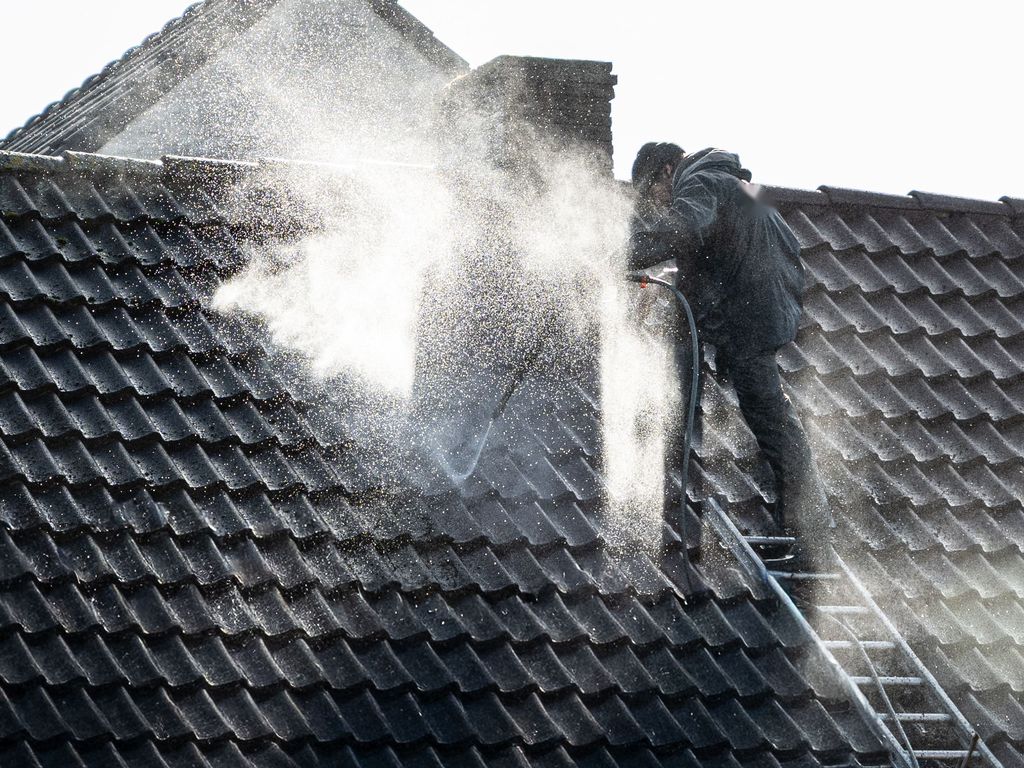
- stay at ground level, and never use a pressure washer from a ladder or on a roof
The bottom line
Pressure cleaning is safe on concrete, pavers and sandstone when the method suits the surface. Plain concrete takes firm pressure, pavers need care at the joints, and sandstone needs low pressure and a gentle cleaning solution. If you'd like it done for you, see how pressure cleaning is priced. You can also have your driveway done on the same visit as your roof or gutters with one of our packages.