Solar panel bird proofing: what you need to know
Pigeons love the sheltered gap under solar panels. Here is how bird-proofing mesh works, which materials last, how to protect your panel warranty, and what the market charges.
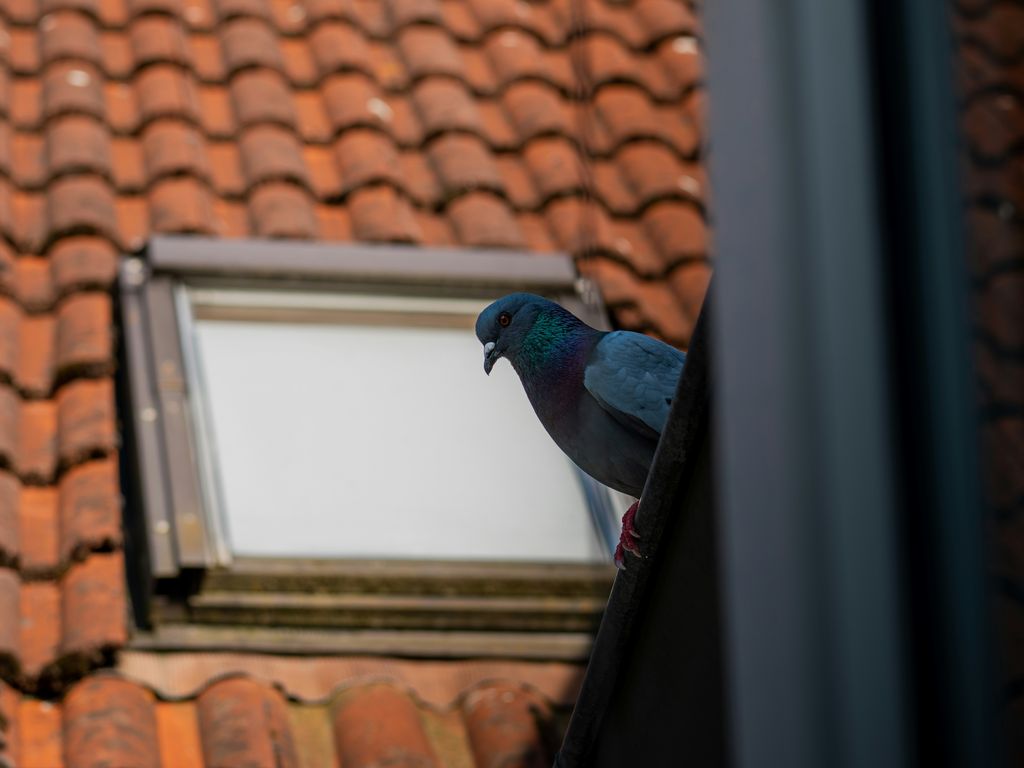
If you hear cooing and scratching on your roof, or see droppings on your panels and around your gutters, pigeons have probably moved in under your solar panels. It is a common problem. In a 2021 ABC News story, a Brisbane operator said: "Seven years ago we pigeon-proofed three properties over the course of a year and now we service two to six homes every single day."
This guide explains the risks, how mesh works, what materials to ask for and how to protect your panel warranty. It also covers the rules around birds and what a fair price and warranty look like.
Why pigeons choose solar panels
The gap between the panels and the roof is dry, shaded, sheltered from wind and hidden from predators. That makes it a perfect nesting spot. Once a pair settles in, they tend to come back and breed there again.
The bird in almost every case is the common grey (feral) pigeon. The RSPCA describes it as an introduced pest, and the ABC reported that native pigeons don't show this nesting behaviour.
What can go wrong
- Droppings on the panels. These shade the cells and cut output. Unlike dust, rain doesn't wash them off easily.
- Nesting material and leaf litter build up under the panels. SolarQuotes lists this as a fire hazard.
- Rats and wiring. SolarQuotes notes that mesh also helps keep out rats, which can chew wiring.
- Blocked gutters from nesting material and droppings washing down.
- Noise from birds walking and nesting above your ceiling.
- Health risks. SolarQuotes reported that a solar repairer caught lung infections, including psittacosis, from bird droppings. Its advice: "always wear a mask". This is one reason we don't recommend clearing nests yourself.
How bird-proofing mesh works
Bird proofing fits a mesh "skirt" around the outside edge of the panel array. It closes the gap between the panels and the roof so birds can't get underneath. A typical job goes like this:
- Inspect the array and check whether birds, eggs or chicks are inside.
- Remove nests and droppings from under and around the panels, bag them and take them away.
- Clean the panels so droppings stop shading the cells.
- Fit the mesh around the full perimeter. It is fixed to the panel frames with clips and shaped to follow the roof surface.
- Check for gaps at corners, joins and between separate arrays.
- Photograph the finished job, so you can see all sides.
A well-fitted clip system doesn't need drilling into the panels or the roof.
Materials: what to ask for
Mesh is exposed to sun, heat, rain and, near the coast, salt. The material matters.
| Material | What to know |
|---|---|
| 304 stainless steel, PVC-coated | A common, sound choice. The coating adds UV and weather protection and gives a darker, neater look. |
| 316 ("marine grade") stainless steel | Contains molybdenum, which gives better resistance to salt corrosion than 304. Worth asking for close to the coast. |
| PVC-coated galvanised wire | Cheaper. Cut edges can expose the steel, which may rust over time. |
| Plastic (HDPE) mesh | Sold as a lighter option that is safe for metal roofs. Ask how long it lasts in full sun. |
Clips matter too. They should be UV-stable and made for your panel frames. On Colorbond or other metal roofs, ask how the installer avoids contact between dissimilar metals, which can cause corrosion.
Ask for the material grade in writing on your quote. "Stainless" on its own doesn't tell you which grade you're getting.
Will bird proofing void my solar warranty?
Not if it's done properly. But don't just take someone's word for it. SolarQuotes gives two pieces of advice:
- If mesh is attached to the panel frames, check it is compatible with your panel warranty first.
- "Check with your installer … and get it in writing."
In practice:
- Ask the bird-proofing company exactly how the mesh attaches. Look for clips on the frame, with no drilling into panels, frames or rails.
- Email your solar installer or panel manufacturer. Describe the method and ask them to confirm in writing that it won't affect your warranty.
- Keep that email with your solar paperwork.
Some sellers use fear of "voiding your warranty" to sell a particular product or a licensing claim. A written answer from the people who actually hold your warranty settles the question.
Birds and the law
Feral pigeons are an introduced species. Many other birds in NSW are protected native species under the Biodiversity Conservation Act 2016 (NSW). Harming them or interfering with their nests can be an offence.
- If you're not sure which bird is nesting on your roof, find out before anything is removed.
- If a native bird is nesting, get advice before disturbing the nest. The NSW Government's environment department can help.
- Mesh is an exclusion method. It keeps birds out, without trapping or killing them.
- Before the mesh is closed, the installer should check that no birds, chicks or eggs are left inside.
What a fair warranty looks like
Warranties in this market range from a few months to "lifetime". Longer isn't automatically better. Read the conditions.
At least two providers in the Sydney market publish lifetime warranties that are void unless that same company cleans your panels, at its price, at least every 24 months. That turns a warranty into a lock-in.
A fair warranty should:
- state a clear term, in years, for both materials and workmanship
- say what is covered, including birds getting back in through a failed section
- not depend on buying future services from the same company
- be given to you in writing with the quote, not after payment.
How bird proofing is priced
Pricing is usually based on the metres of mesh needed around the outside edge of the array, not the number of panels. Price also goes up with more separate arrays, a second storey, a steep roof, and heavy nest and droppings clean-up.
Airtasker has no bird-proofing cost guide, so the only published figures come from businesses. These are the figures shown in September 2026:
| Source | Published figure |
|---|---|
| Sydney Gutter & Window Cleaners | $22 per linear metre, including GST |
| EZY Solar Cleaning Sydney | $17–$23 per metre + GST; "around $300 minimum"; typical jobs $500–$700 (small), $800–$1,200 (medium), $1,400–$2,000+ (large) |
| The X Bird (blog) | 6–8 panels from $350; a standard 10 kW system $450–$650 |
| Airtasker Sydney (one listed task) | "Solar panels, bird proofing and removing nest, 2 story house": $650 |
| DIY kit (Bird Control Australia) | $189.90 for a 30 m roll of PVC-coated 304 stainless mesh (about 12 panels) |
Check whether a quote includes GST, nest removal, panel cleaning and a written warranty. For ExteriorCare's prices, see our current price guide.