Working at heights: why DIY gutter cleaning is risky
Gutter cleaning looks simple, but it means working at the edge of a roof. Here is what SafeWork NSW says about falls, basic ladder safety, and the questions to ask before you hire anyone.
Cleaning gutters looks like a simple weekend job. In reality, it means working at the edge of a roof, often on a ladder, and reaching sideways while you scoop out wet leaves. That combination is exactly how falls happen.
This guide covers a real NSW incident, the order of safety controls that professionals are expected to follow, basic ladder safety if you do go up, and the questions to ask before you hire someone.
A real incident: a fall of about 5 metres
In June 2024, SafeWork NSW published an incident release titled "Fall from residential roof". A 31-year-old worker providing "gutter cleaning services" "slid down the roof and fell approximately 5 metres".
This happened to someone doing the job for work. Homeowners on a borrowed ladder, with no training and no anchor points, face the same risks.
Customer reviews tell similar stories. One ProductReview.com.au review describes a worker falling from a customer's two-storey home, with the reviewer reporting that no safety gear was in use.
The order of safety controls
SafeWork NSW's recommendations after that incident follow a clear order. Start with the safest option and only move down the list when the one above isn't practical:
- Avoid working at height where you can. Where possible, do the work from the ground, for example with gutter vacuums or water-fed poles on long extension poles.
- Edge protection. Guard rails or barriers at the roof edge that stop a person from falling.
- Work platforms. Scaffolds or elevating work platforms that give a stable, guarded place to stand.
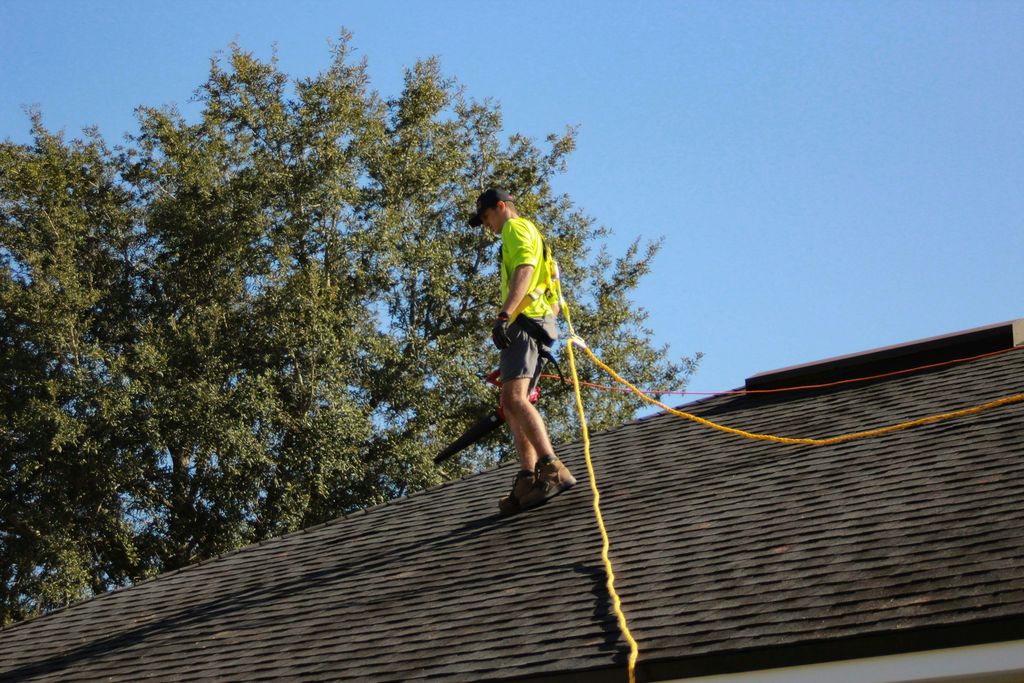
- Harness restraint or fall-arrest systems, "only after" the options above have been ruled out. These need suitable anchor points, training and supervision.
SafeWork NSW also says a site-specific Safe Work Method Statement (SWMS) is needed where the fall risk is more than two metres. That covers almost every gutter on a Sydney house.
The NSW Code of Practice for work on roofs gives more detail on how businesses should manage these risks.
Why roofs and gutters are harder than they look
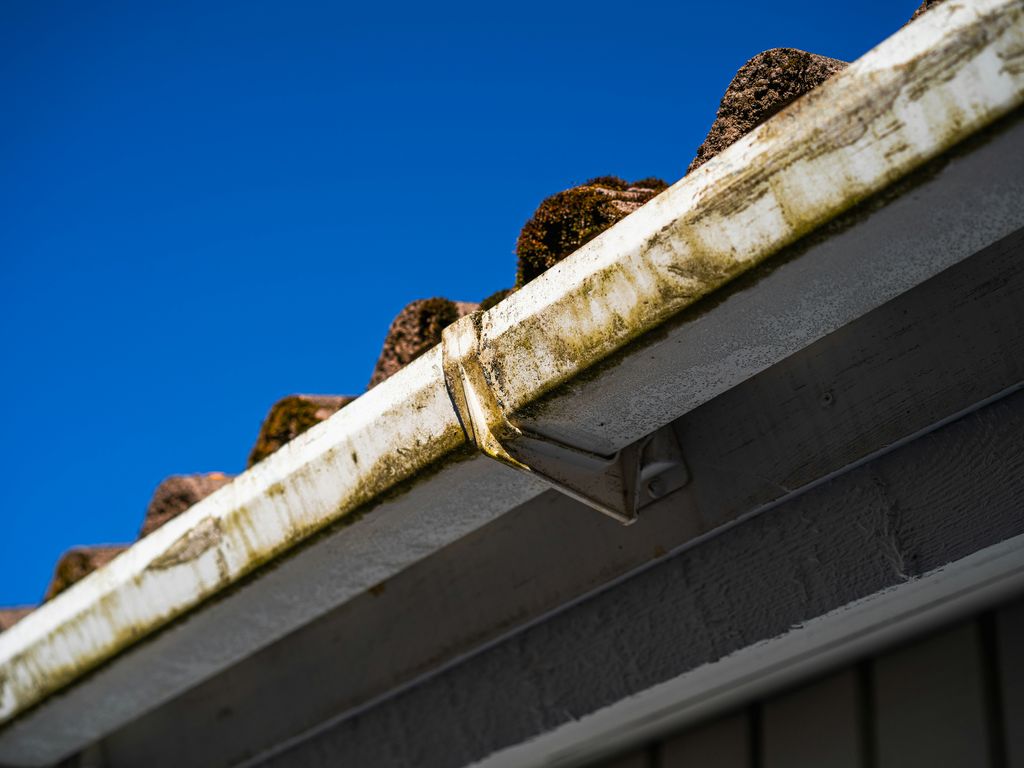
- Slippery surfaces. Dry leaves, moss, lichen, morning dew and dust all reduce grip, on tiles and metal alike.
- Fragile tiles. Older terracotta and concrete tiles can crack underfoot, and a breaking tile can make you lose your balance.
- Reaching and leaning. Scooping gutters invites overreaching from a ladder, which shifts your weight outside the rails.
- Two-storey heights. The worker in the SafeWork incident fell about 5 metres. Falls from a two-storey gutter line can cause serious injuries.
- Hidden hazards. Power lines to the house, solar panel cabling, wasp nests and bird droppings (SolarQuotes reported a solar repairer who caught lung infections from droppings).
If you do use a ladder: the basics
This is common ladder-safety guidance, not a substitute for training. If you're unsure about any of it, don't climb.
- Use a sturdy ladder rated for the job and check it for damage before each use.
- Set it on firm, level ground. Never put it on bricks, boxes or soft garden beds.
- Use the "one out for every four up" angle: the base should be about one metre out from the wall for every four metres of height.
- If you're stepping off onto a roof, the ladder should extend about one metre above the edge and be secured at the top.
- Keep three points of contact, and keep your belt buckle between the rails. Move the ladder rather than reaching.
- Don't stand on the top rungs of an extension ladder or the top of a stepladder.
- Have someone at the bottom to foot the ladder and call for help if needed.
- Don't climb in wind, rain or when the roof is wet, and stay well clear of power lines.
- Don't walk on solar panels, and don't lean on gutters, which aren't built to take your weight.
If the job needs you to get onto the roof itself, especially on a two-storey home, it's time to call a professional.
What to ask a contractor before they start
A professional should answer these questions without hesitation:
- Are you insured? Ask for a current public liability certificate and check the dates. Many Sydney operators advertise $20 million cover. Ask whether their workers are covered by workers compensation.
- Do you have a SWMS for this job? Where the fall risk is more than two metres, SafeWork NSW expects one.
- How will you prevent falls on my roof? Listen for specifics: edge protection, a platform, or a harness attached to suitable anchor points. "We're careful" is not an answer.
- Are there anchor points, and who checks them? If your roof has permanent anchors, they should be in date for inspection. If not, ask what the crew will use.
- What training do your workers have? Look for working-at-heights training, such as the unit RIIWHS204E Work safely at heights.
- How many people will be on site? On two-storey jobs, a second person on site can help with ladders and respond if something goes wrong.
- What happens if the weather turns? A good contractor will reschedule rather than work on a wet or windy roof.
- Will you walk on my solar panels or fragile tiles? The answer should be no to panels, and "as little as possible" to tiles.
Landlords, strata and people who can't climb
If you rent, gutter cleaning is usually something to raise with your landlord or agent rather than do yourself. In a strata building, roofs and gutters are generally common property, so talk to your strata manager. If age, health or mobility make ladders unsafe for you, it's simply not worth the risk. Book a professional, or ask family or friends to arrange one for you.
Why this matters to you as the customer
You're trusting a contractor to work safely on your property. Choosing one who can show insurance, a SWMS and a clear fall-prevention plan protects them. It also reduces the chance of an accident at your home.
It often costs a little more than the cheapest quote, because proper safety takes time and equipment. Our gutter cleaning cost guide explains what drives the price. For ExteriorCare's prices, see our current price guide.