Bushfire season gutter checklist for Sydney homes
Dry leaves in gutters are fuel for embers. Here is what the NSW Government recommends, a practical roof and gutter checklist, and why August to October is the time to act.
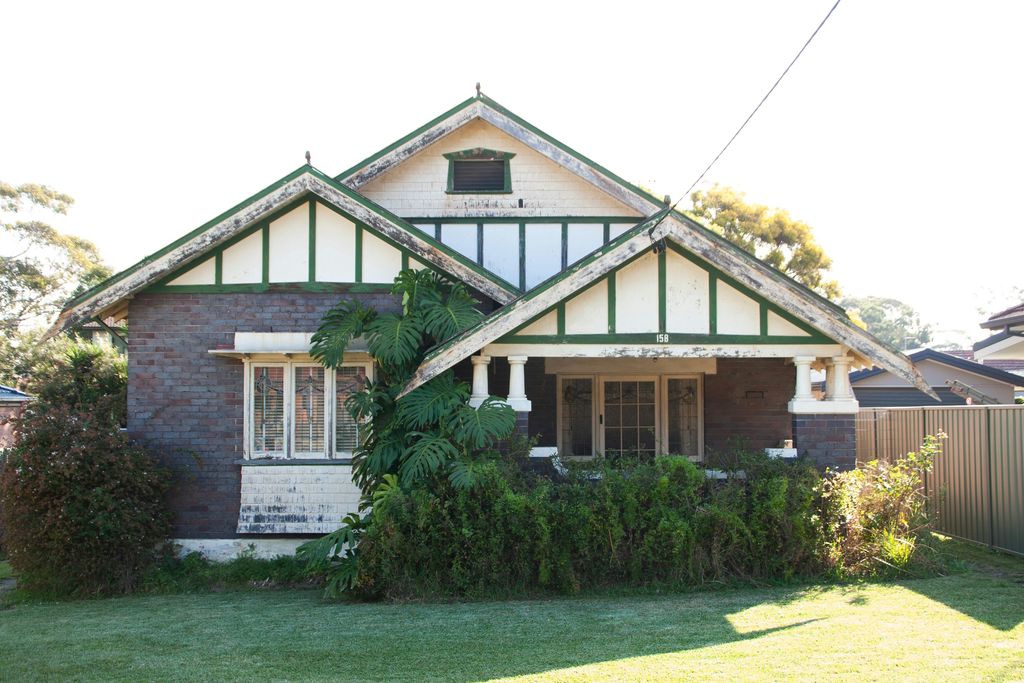
Many Sydney homes sit right next to bushland, and dry leaves in gutters are one of the easiest fuels for a fire to find. Clearing them is one of the simplest things you can do before bushfire season. This guide sets out the official advice, a practical checklist and when to get it done.
What the NSW Government recommends
The NSW Government's "Prepare your home for bushfire season" page lists three steps for the roof:
"On the roof: Clean your gutters of debris. Install metal gutter guards. Attach a fire sprinkler system to gutters."
The same page covers the rest of the home and yard, and it is worth reading in full. The NSW Rural Fire Service (RFS) also publishes property preparation advice and a Bush Fire Survival Plan.
Why gutters matter: ember attack
A bushfire doesn't have to reach your street to threaten your house. Strong winds can carry burning embers well ahead of the fire front. Embers land wherever they are blown, including roof valleys, gutters, gaps under tiles and piles of leaves against walls.
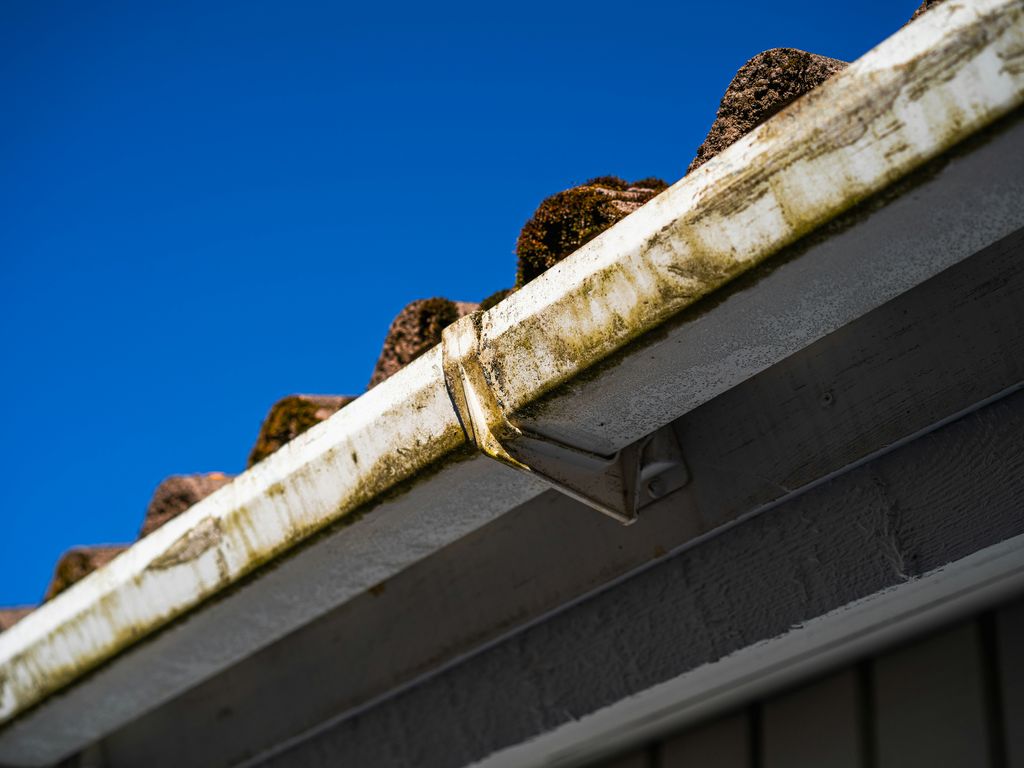
A gutter full of dry gum leaves and bark is an ideal place for an ember to catch. A fire in the gutter can then spread to fascia boards, roof timbers or the roof space.
Leaf litter and nests under solar panels are a similar hazard. SolarQuotes lists leaf litter under panels as a fire risk.
Are you in a bushfire-prone area?
Bushfire-prone land is mapped by local councils across NSW. In Sydney, many homes near bushland are affected. Parts of the Hills District, Hornsby, Ku-ring-gai, the Sutherland Shire and suburbs on the Blue Mountains fringe include streets that back onto bush or national park.
Being in one of these areas doesn't mean every street is mapped. Being outside them doesn't mean you're safe from embers either. Check your own address with your council or the NSW Planning Portal.
When to book: August to October
In most of NSW, the statutory Bush Fire Danger Period normally starts on 1 October. In some areas it is brought forward when conditions are dry. Aim to have gutters cleared in August, September or early October, before the danger period and the hottest, windiest days.
Spring is also the busiest season for gutter cleaners. Airtasker's gutter cleaning cost guide reports its highest seasonal average in spring, at $300. Booking early gives you more choice of dates.
After the first clean, check again through summer. Gum trees shed bark and leaves in hot weather, and strong winds can refill gutters quickly.
Roof and gutter checklist
- Clear all gutters of leaves, bark, twigs and nests.
- Clear roof valleys, where leaves collect between roof sections.
- Flush every downpipe and check it drains freely. You may want to use gutter water to wet the roof in an emergency.
- Check for leaves and nests under solar panels. Consider mesh to keep birds and litter out (see our bird-proofing guide).
- If you have gutter guard, check it is metal, as the NSW Government recommends, and clear any leaves sitting on top of it.
- Look for gaps under roof tiles, along ridges and at the eaves where embers could get in, and have them sealed.
- Trim branches that overhang the roof, where it is safe and allowed. Check your council's rules on tree work first.
- If you are considering a gutter sprinkler system, as the NSW Government suggests, talk to a licensed plumber about your water supply.
Around the house
- Rake up leaves and debris against walls, fences and under decks.
- Move firewood, doormats, outdoor cushions and anything else that burns away from the house.
- Make sure garden hoses reach all sides of the home.
- Keep lawns short and gardens tidy close to the house.
- Make or update your family's Bush Fire Survival Plan using the RFS resources.
Gutter guard in bushfire areas: what to check
Gutter guard can help, because it keeps most leaves out of the gutter itself. But it only helps if it is the right type and is kept clear. Before the season, check:
- Material. The NSW Government recommends metal gutter guards. If you don't know what yours is made of, ask the installer or check your paperwork.
- Leaves on top. Dry leaves can pile up on top of the mesh, especially along valleys and where the roof meets the gutter. That pile is still fuel.
- Gaps and lifting. Loose or lifted sections let leaves and embers in underneath. Have them refixed.
- What's underneath. Fine debris still builds up below the mesh over time. Guards need to be lifted and the gutter cleaned every so often.
After a storm, a fire nearby or a hot, windy spell
Gutters don't stay clean for the whole season. Check them again after strong winds, after a nearby fire, or after a long hot spell when trees shed heavily. Look from the ground for leaves poking over the gutter edge, or water spilling over during rain. Either one suggests the gutter or downpipe is blocked again.
If you can't do it yourself
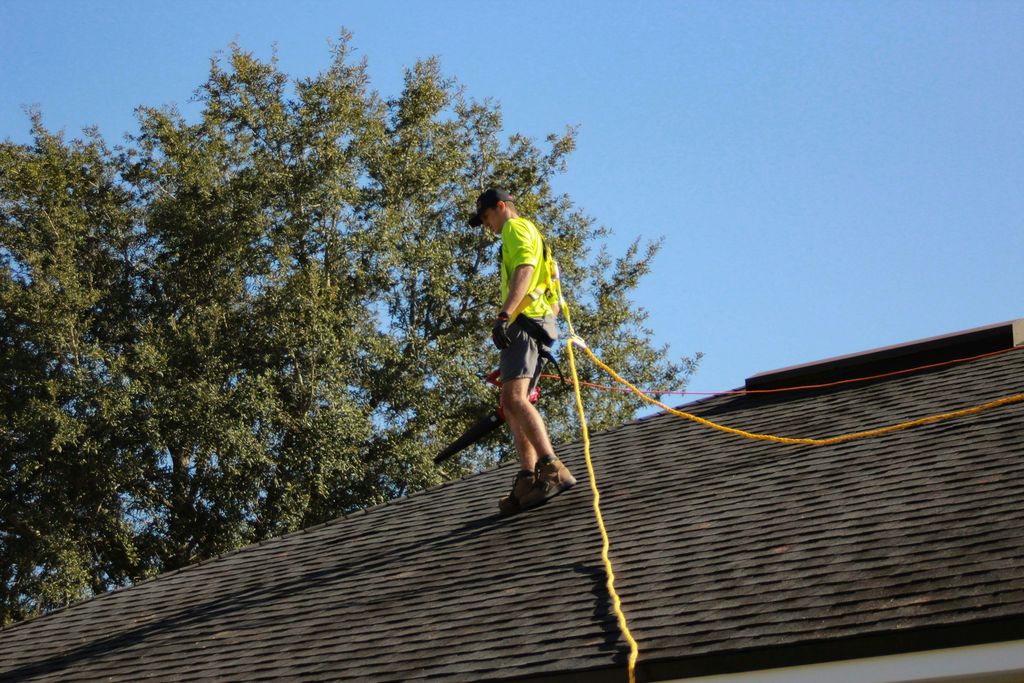
Cleaning gutters means working at height, often on a roof covered in slippery dry leaves. If you're not confident, don't climb. Read our guide on why DIY gutter cleaning is risky.
The NSW RFS has run a program called AIDER, which helps some older residents and people with a disability with preparation tasks such as clearing gutters. Check the RFS website or call your local fire control centre to see whether it is available in your area and whether you're eligible.
What to ask for when you book a clean
- All gutters, valleys and downpipes, not just the easy sections.
- Debris bagged and taken away, not left in a pile beside the house.
- Before-and-after photos of each side of the roof.
- A note on any gaps, damaged tiles or non-metal gutter guard they see.
- A check under solar panels for leaves and nests.
For ExteriorCare's gutter cleaning prices, see our current price guide. If you're comparing quotes, our gutter cleaning cost guide explains what the market charges and what should be included.
Remember
A clean gutter is one part of bushfire preparation, not the whole plan. Follow the official NSW Government and RFS advice. Keep track of fire danger ratings. On bad fire days, act on your survival plan early.