Is solar panel cleaning worth it?
For most tilted panels in Sydney, rain does much of the cleaning and the gain from a wash is small. But bird droppings, lichen, salt, flat panels and bushfire ash can change that. Here is how to tell.
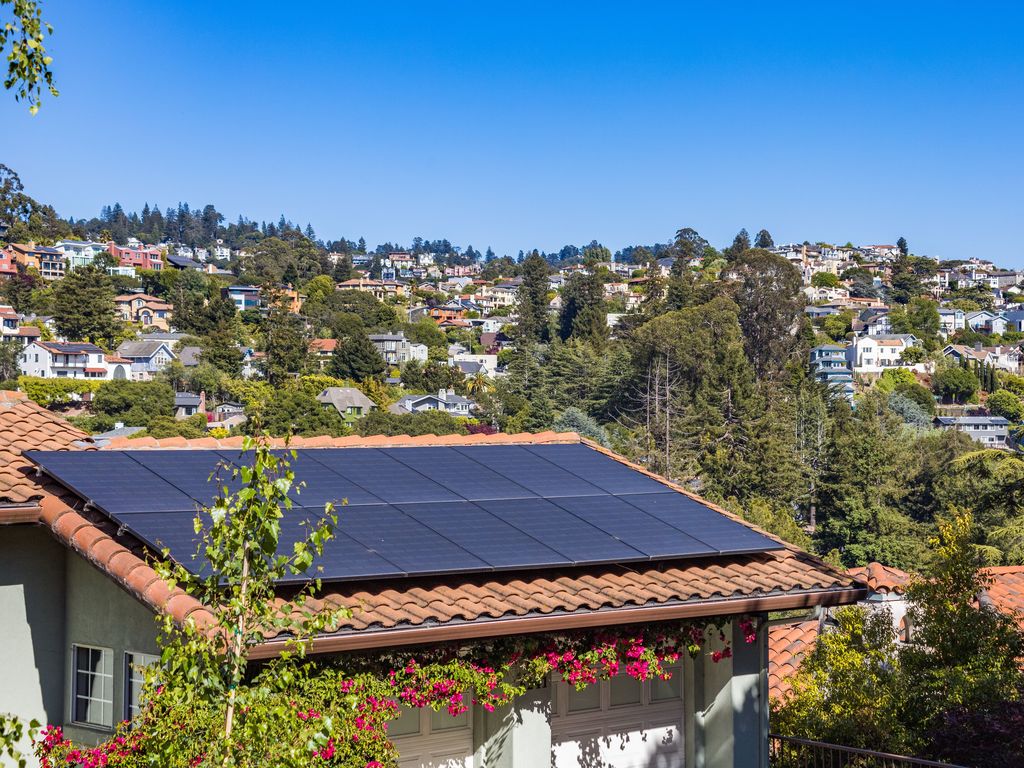
You may have seen claims that dirty panels lose "up to 30%" of their output. The independent evidence tells a more modest story. For most Sydney homes with tilted panels, ordinary dust costs only a small amount of output, and rain does much of the cleaning for free.
But there are real cases where cleaning is worth it. This guide explains both sides, so you can decide for your own roof.
What the independent evidence says
Ordinary dust: a small loss
SolarQuotes, an independent Australian solar site, looked at this question in 2016 ("Is Solar Panel Cleaning A Waste Of Time And Money?", Ronald Brakels). It pointed to three things:
- A University of Arizona study where cleaning improved output by "around 1%".
- An estimate of about 2% for cleaning twice a year in Australia.
- A Google finding that tilted panels showed no significant benefit from cleaning.
Its conclusion was blunt: "Most of the time solar panel cleaning is not worth it." The article is several years old, but the basic logic still holds. On a tilted panel, rain washes off most loose dust.
Smoke haze: a big loss that cleaning can't fix
CSIRO reported in March 2020 that rooftop solar output in Sydney and Canberra fell by 15–45% on heavy smoke-haze days during the 2019–20 bushfires. Sydney was down 15% on 10 December and 27% on 21 December 2019.
That loss came from smoke in the air blocking sunlight, not from dirt on the panels. Cleaning would not have changed it. CSIRO also noted that clay-like dust sticks to panels more than sandy dust, and that "mud rain" can quickly leave heavy dirt behind.
Why "up to 30%" claims are unreliable
Figures in Sydney solar and bird-proofing marketing range from "up to 30%" to "up to 40%", and one site claims "up to 88%". In the pages we reviewed, none of them cited a source. Big numbers like these usually come from one of three places:
- Atmospheric loss, such as smoke or haze, which cleaning can't fix.
- Extreme conditions, such as desert solar farms, which don't match a Sydney suburb.
- A worst-case single panel, for example one heavily covered in droppings, presented as if it applied to the whole system.
If a company quotes a big number, ask for the source. Better still, ask for before-and-after readings from an inverter.
When cleaning is worth it
- Bird droppings. Droppings don't wash off easily in rain. They sit on the glass and shade the cells beneath. Because the cells in a panel are wired together, a small shaded patch can pull down output by more than its size suggests. If pigeons are the cause, see our bird-proofing guide.
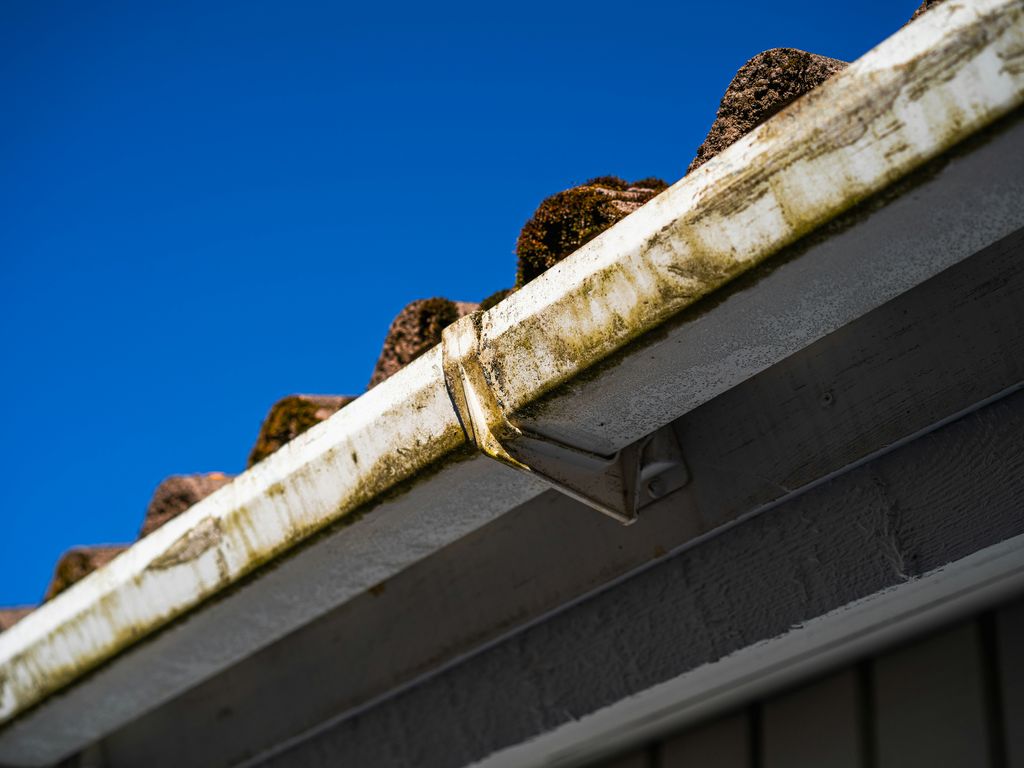
- Lichen and moss. Growth often starts along the bottom frame, where water and dirt collect. It spreads slowly and rain won't remove it.
- Low tilt or flat panels. Water pools instead of running off. This leaves a dirt line along the lower edge.
- Coastal salt. Homes close to the ocean can build up a salty film that rain doesn't fully clear.
- After bushfire ash or dust storms. Ash and "mud rain" can leave a sticky layer, as CSIRO describes.
- Nearby dust sources. Examples include building sites, busy roads, industrial areas, or trees dropping sap and leaves.
When it probably isn't worth it
- Your panels are tilted, mostly free of droppings and look evenly dusty from the ground.
- Your output only dips on hazy or cloudy days.
- The cost of a clean is more than the value of a 1–2% gain over the next year.
A simple way to check your own system
- Open your inverter app or monitoring portal.
- Compare several clear, sunny days now with similar days at the same time last year.
- Look at the panels from the ground (binoculars help). Check for droppings, lichen or a dirt line on the lower edge.
- If output has dropped but the panels look clean, call your installer. The problem may be a fault, not dirt.
To judge value, take 1–2% of what your system saves you each year. That is the gain the SolarQuotes figures suggest for ordinary dust. Compare it with the price of a clean. The numbers change a lot when droppings or lichen are involved.
What panel manufacturers say about cleaning
Manufacturers publish cleaning rules in their installation manuals. Some quotes worth knowing:
- JinkoSolar (Global Installation Manual, 2024): clean "preferably once per annum, more frequently in dusty conditions" with a soft cloth, dry or damp, using water with a pH of 6.5 to 8. "Never use abrasive material." "Never use chemicals when cleaning modules as this may affect the module warranty and energy yield." For a hose or pressure set, the water pressure should be less than 675 kPa.
- Canadian Solar: "Damages induced by inappropriate cleaning procedures will void Canadian Solar Inc. warranty." It also advises against rotating brushes.
- Panasonic: "Use of high pressure hoses or cleaners is not permitted as these may damage the modules."
- Sharp: "Never use a high pressure cleaner."
- Trina: prohibits "alkaline and strong acid solvents".
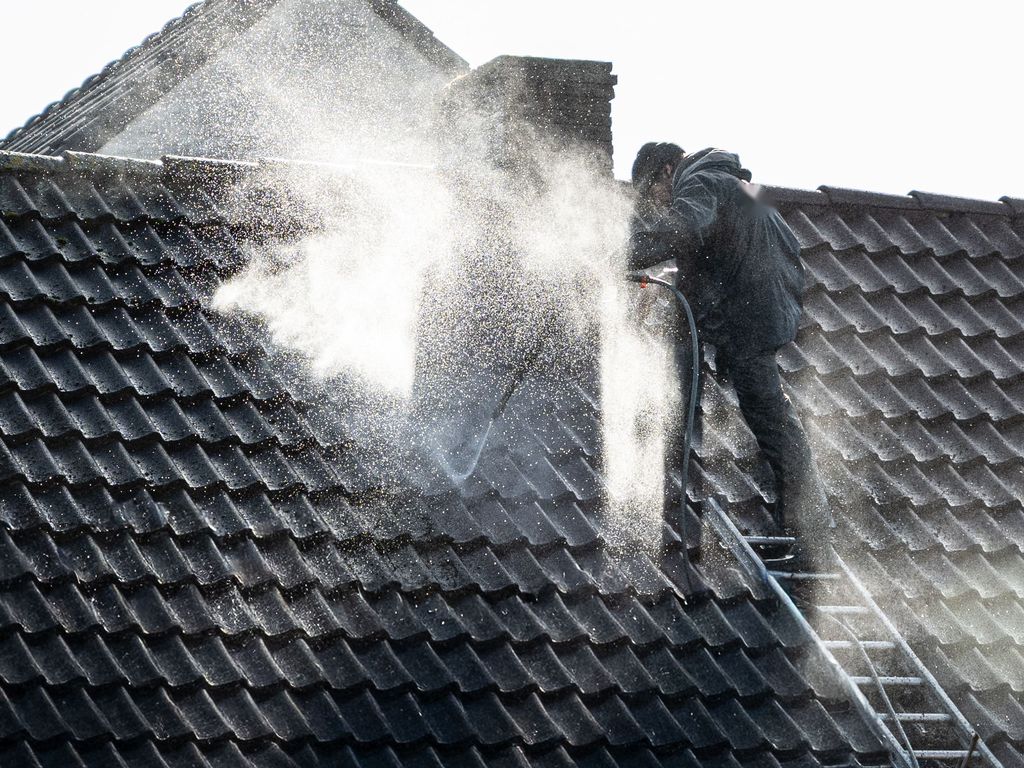
The International Solar Cleaning Association sums up the warranty wording like this. Manufacturers don't void a warranty just because a pressure washer was used. But damage caused by improper cleaning, including high pressure, is excluded, and several ban high-pressure cleaners outright. SolarQuotes also warns that a "concentrated high pressure stream" could damage the seals.
In practice, a safe clean means:
- pure or neutral water
- a soft brush
- low pressure, within your manufacturer's limit
- no harsh chemicals or abrasive pads
- no walking on panels.
Your panel brand is on your installation paperwork and on a label on the back of each panel. Look up that brand's manual.
A note on "warranty" cleaning contracts
If someone says you must buy a regular cleaning plan to keep your panel warranty, ask them to show you the exact clause in the manufacturer's warranty. The manuals above set out how panels should be cleaned. They don't name a company you have to use.
What does cleaning cost?
- Airtasker's Sydney solar panel cleaning page showed a median of $250, with a low of $247 and a high of $423 (checked September 2026).
- Airtasker's national cost guide (4 June 2025) gives $10 to $30 per panel, with a median of $12.
- SolarQuotes quoted $7.50 a panel for one storey and $10 a panel for two storeys back in 2016.
For ExteriorCare's prices, see our current price guide.
Should you clean them yourself?
Hosing panels gently from the ground is fine if you can reach them safely. Please don't climb onto the roof to do it. Panels, tiles and metal roofs are slippery when wet, and falls from roofs cause serious injuries. Our guide on working at heights explains why.